
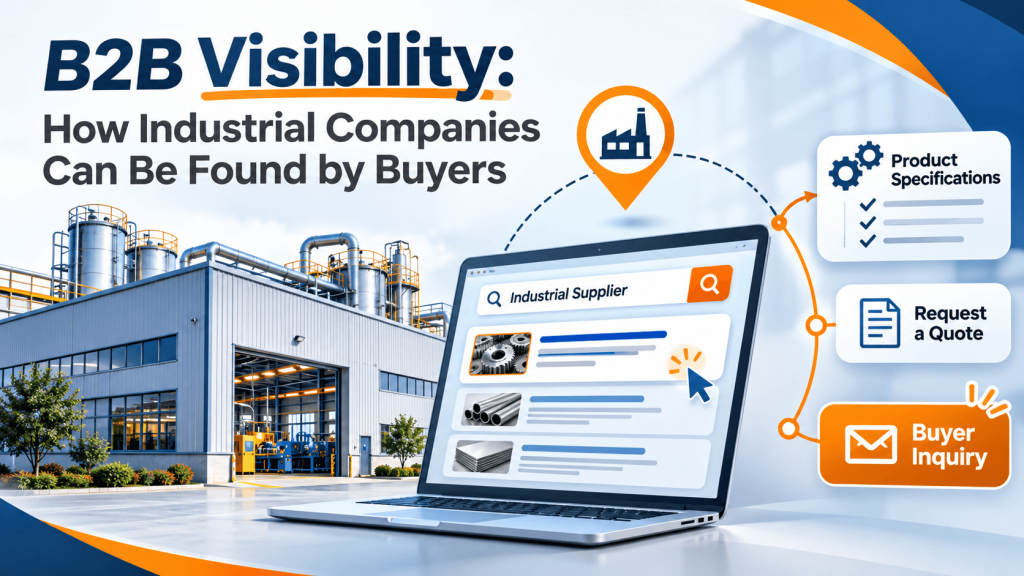
A procurement manager needs a supplier for custom metal brackets within 200 miles. She searches online, browses supplier directories, and asks colleagues. She is looking for capabilities, certifications, materials, lead times, and a way to request a quote. Many industrial websites offer a company history and a stock photo of a factory instead.
B2B buyers research thoroughly before reaching out. Making that research easy can win business.
Show Capabilities, Not Just Claims
Industrial buyers want specifics: processes you offer, materials you work with, tolerances, production volumes, equipment, and industries served. List quality certifications such as ISO 9001 where you hold them. Describe typical lead times and minimum order quantities if you can.
Capability statements and downloadable spec sheets are often more useful to buyers than general marketing pages.
Remember that several people may influence a purchase decision. An engineer may care about tolerances, a quality manager about certifications, and a purchasing agent about lead times and terms. Organizing your website so each of these readers can quickly find what matters to them makes your company easier to approve as a supplier.
Be Present Where Buyers Look
Beyond search engines, buyers use industry directories, trade association member lists, and general business directories. Make sure your company name, location, and contact details match across every listing. Many B2B companies also benefit from a Google Business Profile if they have a physical facility.
General directories can complement industry-specific platforms. A manufacturer in the Industrial Goods and Services category on Avant Directory Listings can describe its core capabilities in its listing so buyers browsing by category quickly see whether it is a fit.
Make Contact Easy and Professional
Provide a clear request-for-quote form that asks for the information you need, such as drawings, quantities, and deadlines. List a direct phone number and email for sales. Respond promptly; B2B buyers often contact several suppliers at once.
Case examples, with client permission, showing problems you solved can build credibility with cautious buyers.
Conclusion
Industrial and B2B buyers are thorough researchers. Give them detailed capabilities, credentials, and easy ways to request quotes, and make sure your business appears accurately where they look, from industry directories to general ones like Avant Directory Listings. Clarity and responsiveness often matter more than flashy marketing.
Frequently Asked Questions
Does a B2B company need a Google Business Profile?
If you have a physical location where you serve customers or receive visitors during business hours, a profile can help buyers verify your company and find directions. Follow Google’s eligibility guidelines. Purely online or warehouse-only operations may not qualify.
What should an industrial company include on its website?
Capabilities, processes, materials, equipment, certifications, industries served, lead times, and a request-for-quote form. Real photos of your facility and products help, along with case examples. Make technical information easy to find and download.
Are general business directories useful for B2B companies?
They can help buyers discover and verify your company and support consistent business information online. Industry-specific directories and trade associations are usually more targeted, so use both. Choose directories that present your capabilities clearly.
How can B2B companies build trust online?
Show certifications, client industries, years in business, and real project examples with permission. Provide named contacts and respond quickly to inquiries. Consistent, accurate company information across your website and listings also signals a stable, reliable supplier.